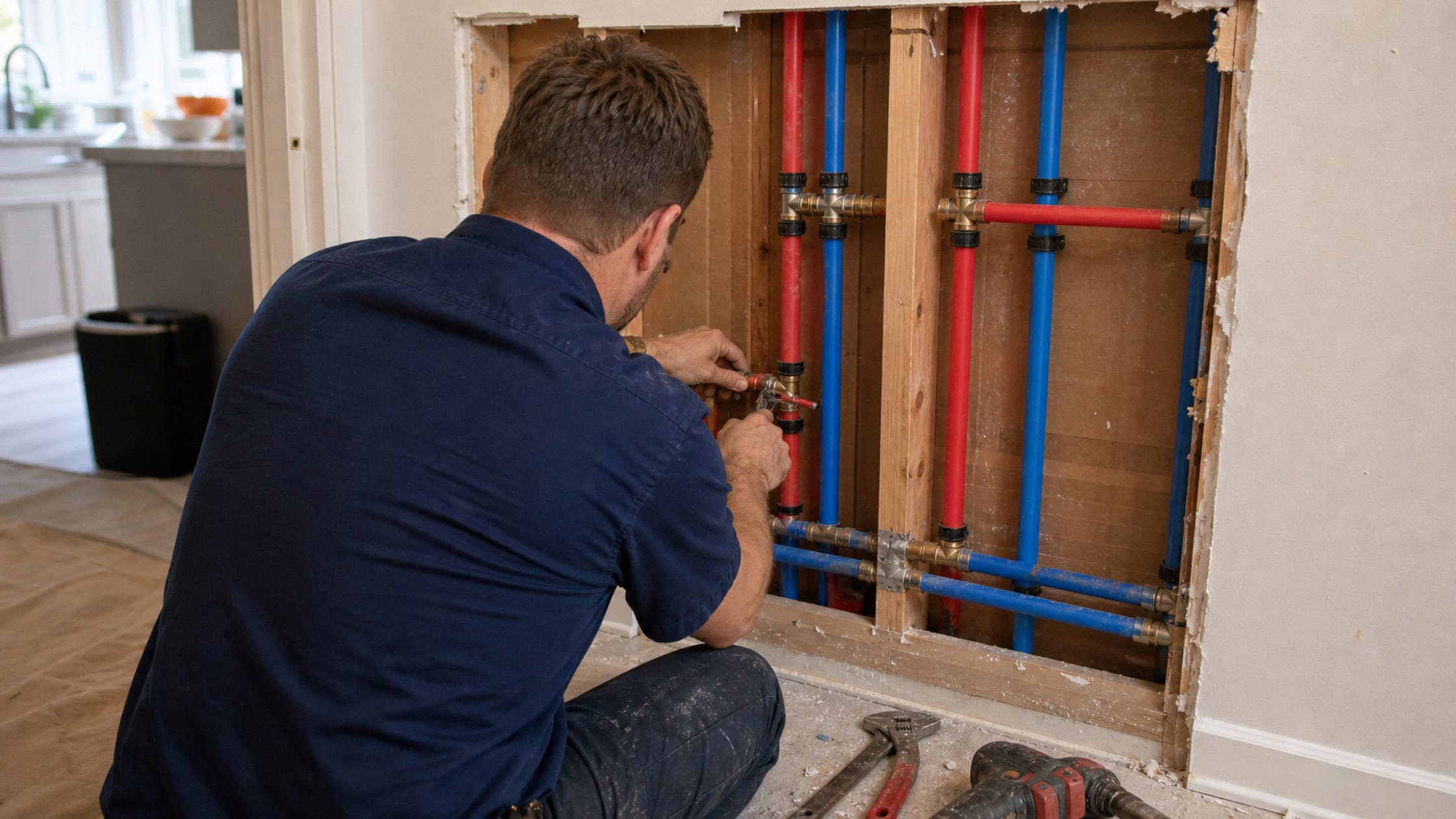
Not every plumbing problem starts with water pouring through the ceiling. Many of the most expensive plumbing repairs begin as small, easy-to-ignore warning signs: a dripping faucet, a slow drain, a toilet that keeps running, or a small leak beneath the sink.
These common plumbing problems may seem minor at first, but delaying repairs can lead to higher water bills, damaged cabinets and flooring, mold growth, pipe failures, and costly emergency service.
For Jacksonville homeowners, recognizing plumbing problems early can help protect the home and avoid larger repairs later. Here are five seemingly small issues that should not be ignored.
1. A Dripping Faucet That Never Stops
A faucet that drips every few seconds may feel more irritating than serious. However, even a slow drip can waste a surprising amount of water over time.
A dripping faucet is often caused by a worn washer, damaged cartridge, loose component, or deteriorating valve. While the repair may initially be simple, continued leaking can contribute to:
- Higher water bills
- Mineral buildup around the fixture
- Corrosion
- Damage to sinks, countertops, or cabinets
- Worsening internal fixture problems
Repairing a dripping faucet early is usually much less expensive than replacing a damaged fixture or addressing water damage later.
2. A Running Toilet That Quietly Raises Your Water Bill
A running toilet is one of the most common plumbing problems homeowners overlook. Because the water usually flows directly into the bowl, there may be no visible leak on the floor.
Common causes include:
- A worn or misaligned flapper
- A faulty fill valve
- An improperly adjusted float
- A damaged flush valve
- A leaking toilet seal
Even though the toilet may continue to function, a leaking or running toilet can waste a significant amount of water, potentially reaching hundreds of gallons per day in severe cases.
If the toilet continues running after the tank refills, needs frequent handle adjustments, or flushes on its own, it is time to have it inspected.
3. A Slow Drain That Signals a Larger Blockage
A slow-moving sink, shower, or bathtub drain may seem like a minor inconvenience. However, it is often an early sign that buildup is forming inside the drain line.
Older cast iron pipes can develop corrosion and buildup along their interior walls, making it even easier for debris to collect and blockages to form.
Hair, grease, soap residue, food particles, and mineral deposits can gradually restrict water flow. If the blockage continues to grow, it may eventually cause:
- A completely clogged drain
- Water backing up into sinks or tubs
- Unpleasant odors
- Pipe damage
- A sewer line obstruction
Multiple slow drains can be especially concerning because they may point to a larger issue within the home’s main drain or sewer line.
Store-bought chemical drain cleaners can damage certain piping materials and may only provide temporary relief. If the underlying cause isn’t properly addressed, buildup left behind can lead to another blockage. A professional plumber can locate the clog, identify its cause, and clear it thoroughly before it becomes an emergency.
4. Small Leaks Under Sinks, Behind Walls, or Beneath the Home
Small plumbing leaks are easy to underestimate because the visible water may represent only part of the problem.
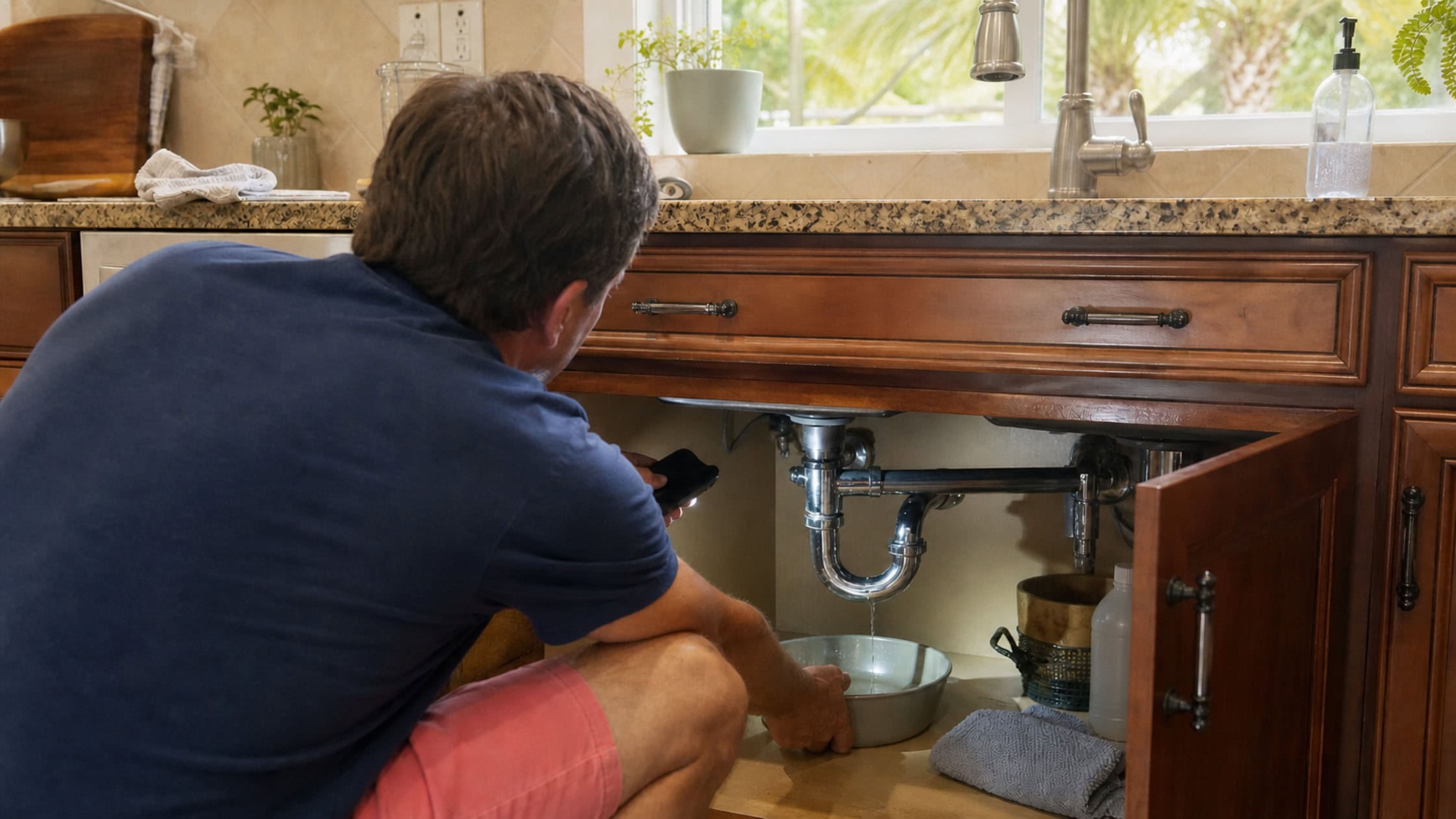
A slow leak beneath a sink can damage cabinets and flooring. A leak behind a wall can affect drywall, insulation, framing, and electrical components before the homeowner realizes anything is wrong. Leaks beneath the home may continue for weeks or months without being noticed.
Warning signs of a hidden plumbing leak include:
- Water meter is running with the water off
- Wet spots in the yard
- Warm spots on your floors
- Musty odors
- Water stains
- Peeling paint
- Warped flooring
- Damp cabinets
- Reduced water pressure
- Unexplained increases in the water bill
- The sound of running water when fixtures are off
Jacksonville’s warm, humid climate can make moisture problems especially concerning because damp areas may encourage mold growth.
An under-sink water leak detector, available on Amazon, can alert you when water collects beneath a sink, helping you catch a leak sooner.
Early leak detection and plumbing repair can help limit damage and prevent a small leak from becoming a major restoration project.
5. Water Heater Warning Signs That Should Not Be Ignored
Water heaters often provide warning signs before they fail completely. Addressing those signs early may allow for a repair instead of an emergency replacement.
Contact a plumber if you notice:
- Stinky hot water
- Inconsistent water temperatures
- Less hot water than usual
- Rumbling or popping sounds
- Rust-colored hot water
- Moisture around the tank
- A leaking pressure-relief valve
- Rising energy bills
- A water heater that is more than 10 years old
Sediment buildup can reduce water heater efficiency and place additional stress on the system. Corrosion, pressure problems, and internal tank damage can eventually lead to leaking or sudden failure.
A leaking tank should be evaluated promptly because the damage can spread quickly to flooring, drywall, furniture, and nearby belongings.
Related blog: How to Tell if Your Water Heater Is About to Fail
Why Early Plumbing Repairs Save Money
Homeowners sometimes delay calling a plumber because they are trying to avoid the cost of a service visit. Unfortunately, waiting often allows a manageable problem to become more complicated and expensive.
Early plumbing repairs can help homeowners:
- Prevent water damage
- Reduce wasted water
- Lower utility bills
- Protect cabinets, floors, and walls
- Avoid emergency service calls
- Extend the life of plumbing fixtures and appliances
- Reduce the risk of mold and moisture damage
Being proactive instead of reactive is one of the best ways to control plumbing costs.
A small repair completed today may prevent the need for pipe replacement, structural repairs, mold remediation, or a full water heater replacement later.
When Should You Call a Plumber?
You should contact a professional plumber when a plumbing issue continues, returns after a temporary fix, affects multiple fixtures, or shows signs of hidden water damage.
You should also schedule service promptly if you notice:
- Water where it should not be
- A sudden drop in water pressure
- Multiple slow drains
- Unexplained increases in water usage
- Sewage odors
- Discolored water
- Moisture around the water heater
- Repeated toilet or faucet problems
An experienced plumber can determine whether the issue is isolated or connected to a larger plumbing problem.
Protect Your Jacksonville Home with Prompt Plumbing Repairs
Small plumbing problems rarely fix themselves. A dripping faucet, running toilet, slow drain, hidden leak, or struggling water heater can become significantly more expensive when left unresolved.
Hall & Sons Plumbing provides professional plumbing repair services for homeowners throughout Jacksonville and Northeast Florida. Our experienced team can identify the source of the problem, explain your repair options, and help prevent additional damage.
Contact Hall & Sons Plumbing today to schedule service and take care of small plumbing problems before they turn into costly repairs.
Frequently Asked Questions
What are the most common plumbing problems in a home?
Some of the most common plumbing problems include dripping faucets, running toilets, clogged or slow drains, leaking pipes, low water pressure, and water heater issues. These problems should be addressed early to prevent water waste, property damage, and more expensive repairs.
Can a small plumbing leak cause major damage?
Yes. Even a small plumbing leak can damage drywall, cabinets, flooring, insulation, and structural materials over time. Hidden moisture may also contribute to mold growth. Prompt leak detection and repair can help limit the damage.
Why is my water bill suddenly higher?
An unexplained increase in your water bill may be caused by a running toilet, dripping faucet, underground leak, leaking pipe, or malfunctioning plumbing fixture. A plumber can inspect the system and identify where water may be escaping.
Should I worry about a slow drain?
A slow drain is often an early sign of buildup or a developing blockage. If more than one drain is slow, the problem may involve a larger drain or sewer line. Addressing it early can help prevent a complete clog or water backup.
What are the warning signs of a failing water heater?
Common warning signs include inconsistent temperatures, reduced hot water, unusual noises, rust-colored water, rising energy bills, and moisture around the tank. A plumber should inspect the system before it fails or begins leaking.
When should I call a plumber instead of fixing the problem myself?
Call a plumber when the problem keeps returning, involves hidden pipes, affects multiple fixtures, causes water damage, or requires specialized tools and diagnosis. Professional repairs can address the underlying cause rather than providing only a temporary fix.