
If you’ve ever wondered, “Is Jacksonville tap water safe to drink?” you’re not alone. It’s one of the most common questions homeowners ask when considering a whole home water filtration system or an under sink reverse osmosis system.
The short answer is yes—Jacksonville’s municipal drinking water is tested regularly and must meet federal and state safety standards before it reaches your home.
However, “safe to drink” doesn’t always mean your water tastes great, smells pleasant, or contains fewer of the naturally occurring minerals and contaminants that many homeowners prefer to reduce. That’s why many Jacksonville families choose to install additional water filtration systems to improve the quality of their drinking water.
Here’s what you should know about Jacksonville’s water and whether additional filtration makes sense for your home.
How Jacksonville’s Drinking Water Is Treated
Jacksonville’s public water supply undergoes extensive treatment before it reaches homes throughout Duval County and surrounding communities.
Municipal water treatment typically includes:
- Drawing groundwater from the Floridan aquifer
- Aerating the water to remove naturally occurring sulfur odors
- Disinfecting the water with chlorine
- Water-quality monitoring
- Regular testing for regulated contaminants
- Compliance with EPA and Florida Department of Environmental Protection standards
These treatment processes help ensure the water delivered to your home meets established drinking water regulations.
What Is an Annual Water Quality Report?
Every public water utility is required to publish an annual Consumer Confidence Report, often called a Water Quality Report. Homeowners should review Jacksonville’s current report for local testing results and water-quality information.
This report outlines:
- Where your drinking water comes from
- What contaminants were tested
- The levels detected
- EPA allowable limits
- Whether the water met federal drinking water standards
These reports provide valuable transparency and help homeowners better understand what’s in their local water supply.
If Jacksonville Water Is Safe, Why Do People Install Water Filtration Systems?
This is one of the biggest misconceptions about home water filtration.
Water can fully meet drinking water standards while homeowners still choose to improve its taste, odor, or overall quality.
Many Jacksonville homeowners install water filtration because they want to reduce:
- Chlorine taste and odor
- Build up in tank type heaters
- Hard water minerals
- Water spots on fixtures
- Certain contaminants of emerging concern
- Dissolved solids
- Unpleasant tastes
Others simply want to help extend the life of their fixtures while enjoying cleaner, better-tasting water throughout their home.
Understanding Common Water Quality Concerns
Chlorine
Chlorine plays an important role in disinfecting municipal drinking water. While it helps keep water safe during distribution, some homeowners dislike the taste or smell chlorine can leave behind.
A whole home water filtration system with a carbon filter can significantly reduce chlorine throughout the house.
Hard Water
Jacksonville water contains naturally occurring calcium and magnesium and is generally considered hard, although the exact hardness level can differ by location.
Hard water may contribute to:
- Mineral buildup on faucets
- Soap scum
- Dry skin and hair
- Reduced water heater efficiency
- Scale buildup inside plumbing
A professionally installed water softener system helps address these issues while protecting plumbing fixtures and appliances.
PFAS and Emerging Contaminants
PFAS, sometimes referred to as “forever chemicals,” have received increased national attention in recent years. While public utilities routinely monitor and comply with applicable regulations, many homeowners choose additional filtration as an added layer of confidence regarding their drinking water.
Depending on the specific system and its certifications, advanced water filtration and reverse-osmosis systems may help reduce certain contaminants. UV water treatment can provide an additional layer of protection by disinfecting water and inactivating certain bacteria, viruses and other microorganisms. Homeowners should choose equipment specifically designed and certified for the contaminants or water-quality concerns they want to address.
Related blog: The Next Generation of Filtration: How New Systems Are Taking on Plastics
Safe Water vs. Better Water
One of the most important distinctions homeowners should understand is the difference between water that is considered safe and water that provides the best possible quality.
Safe drinking water means the water meets regulatory standards.
Better-quality water often means:
- Better taste
- Improved odor
- Reduced chlorine
- Fewer dissolved minerals
- Cleaner drinking water
- Improved cooking and beverage quality
That’s why so many homeowners choose to enhance their water even when municipal water already meets safety requirements.
“Safe drinking water and better-quality drinking water aren’t always the same thing—that’s why many Jacksonville homeowners choose additional filtration.”
When Does a Whole Home Water Filtration System Make Sense?
A whole home water filtration system treats water as it enters your home, providing filtered water to every faucet, shower, appliance, and plumbing fixture.
Whole-home filtration is an excellent choice for homeowners who want to:
- Reduce chlorine throughout the house
- Improve water taste and odor
- Including coffee & tea, ice cubes, and cooking water
- Protect plumbing fixtures
- Improve bathing water
- Extend appliance & fixture life
- Improve overall water quality
- Improve quality of life
Why Choose an Under Sink Reverse Osmosis System?
If your primary concern is drinking water, an under sink reverse osmosis system is one of the most effective solutions available.
Reverse osmosis systems use multiple stages of filtration to help reduce dissolved solids and many common contaminants while delivering exceptional tasting water directly from a dedicated faucet.
Many homeowners consider an under sink reverse osmosis system one of the best drinking water filtration systems for your home because it provides:
- Cleaner drinking water
- Better tasting coffee and tea
- Improved cooking water
- Cleaner ice cubes (if connected to the fridge)
- Reduced reliance on bottled water
Which Water Filtration System Is Right for Your Home?
Every home’s water quality is different.
Some homeowners only want better tasting drinking water, while others want cleaner water throughout the entire home.
At Hall & Sons Plumbing, we help Jacksonville homeowners evaluate their water quality concerns and recommend customized solutions, including:
- Water softener systems/carbon filters
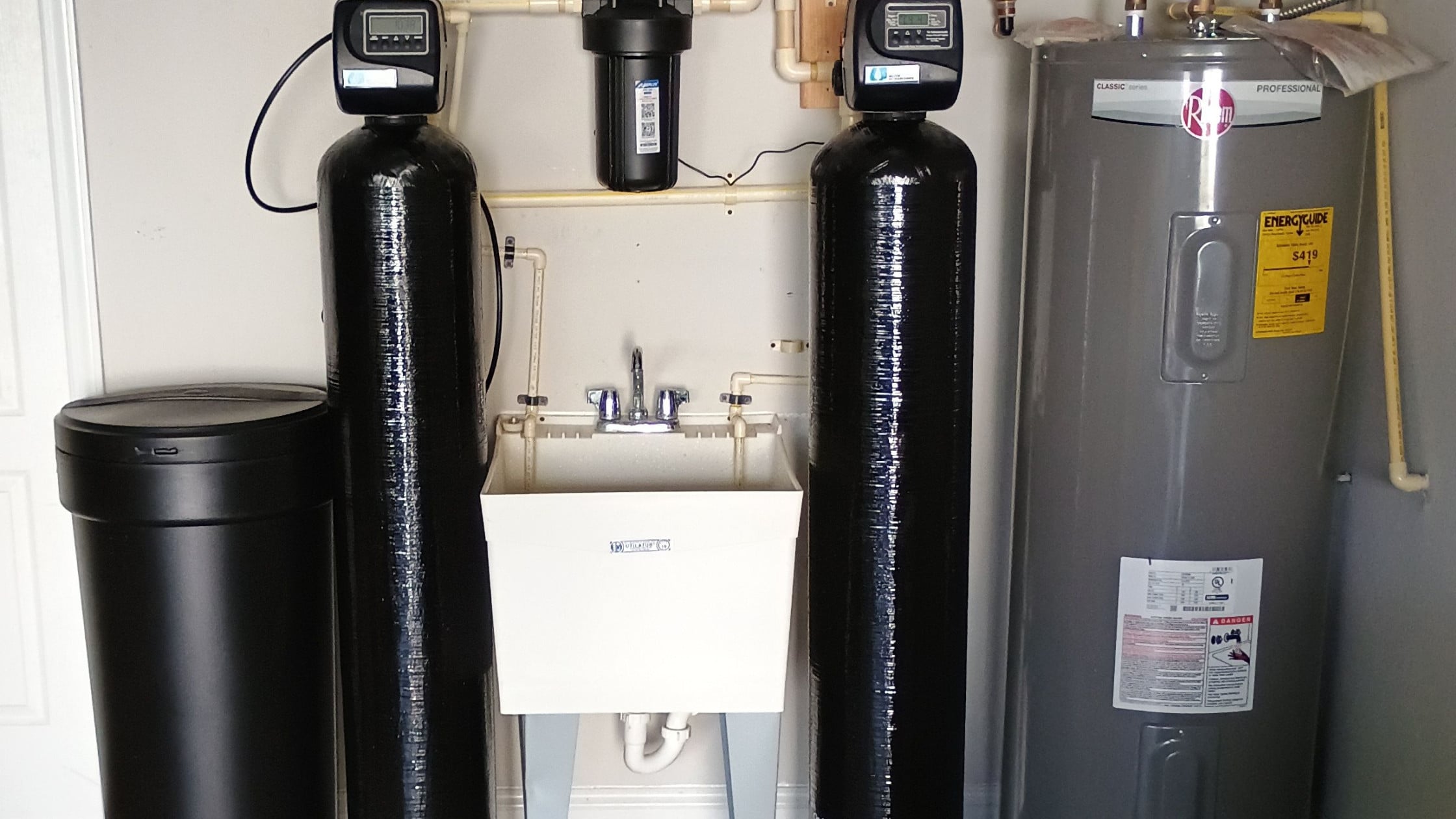
- Whole home water filtration systems including softeners, carbon filters, UV light
- Under sink reverse osmosis systems
We’ll help you choose the system that best fits your home’s water conditions, your family’s needs, and your budget.
Improve Your Home’s Water Quality with Hall & Sons Plumbing
Whether you’re concerned about chlorine taste, hard water, or simply want cleaner drinking water for your family, Hall & Sons Plumbing can help.
Our experienced team installs high-quality water treatment solutions throughout Jacksonville and Northeast Florida, including whole home filtration systems, water softeners, and reverse osmosis drinking water systems.
Contact Hall & Sons Plumbing today to schedule a water quality consultation and discover the best drinking water filtration system for your home.
Frequently Asked Questions
Is Jacksonville tap water safe to drink?
Yes. Jacksonville’s municipal drinking water is regularly tested and treated to meet federal and state drinking water standards. However, some homeowners choose additional filtration to improve taste, reduce chlorine, address hard water, or enhance overall water quality.
What is the best drinking water filtration system for your home?
The best drinking water filtration system depends on your goals. An under sink reverse osmosis system is ideal for high-quality drinking water, while a whole home water filtration system improves water quality throughout your house. Hall & Sons Plumbing can recommend the right solution based on your home’s water conditions.
Does Jacksonville have hard water?
Yes. Jacksonville’s water is considered moderately hard due to naturally occurring calcium and magnesium minerals. Hard water can lead to scale buildup, soap scum, and reduced appliance efficiency. A water softener can help minimize these effects.
Is an under sink reverse osmosis system worth it?
For homeowners who want cleaner, better-tasting drinking water, an under sink reverse osmosis system can be a worthwhile investment. It provides highly purified water through a dedicated faucet and can help reduce dissolved solids and many common impurities. Installation typically requires a small opening in the sink or countertop for the RO faucet if one is not already available. These systems are designed to serve the dedicated drinking-water faucet rather than the refrigerator or other appliances, as connecting an RO system to certain appliances may affect manufacturer warranties.
What is the difference between a water softener, whole home filtration, and reverse osmosis?
Each system serves a different purpose. A water softener removes hardness minerals to help protect plumbing, fixtures, and appliances. A whole home water filtration system improves water quality throughout the house by reducing chlorine, sediment, and other impurities. An under sink reverse osmosis system provides highly purified drinking water through a dedicated kitchen faucet. Together, these systems can provide a comprehensive water treatment solution for your home.