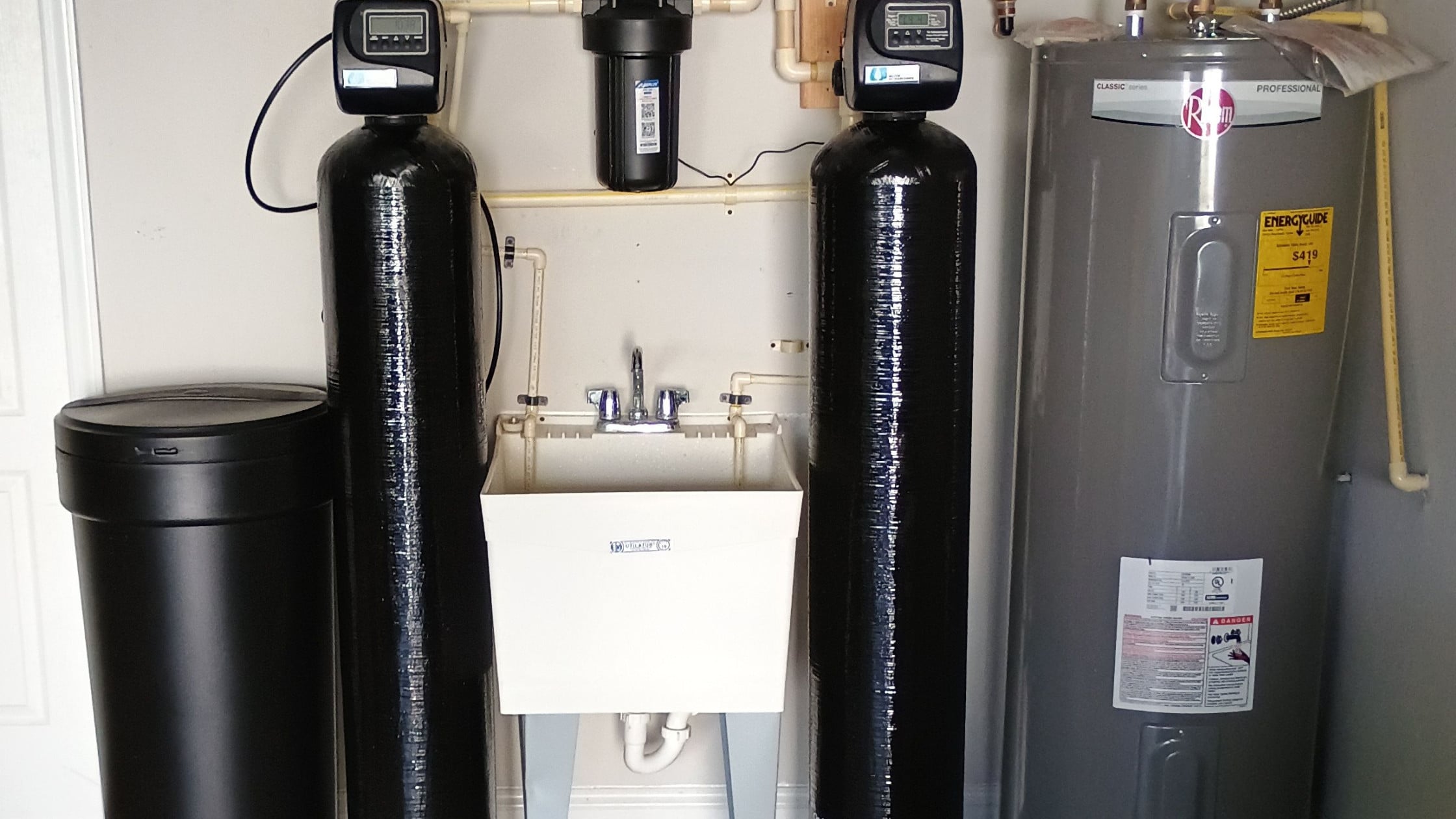
If your Jacksonville home has recurring plumbing leaks, low water pressure, discolored water, or constant drain stoppages, you may have heard a plumber mention a repipe or re-drain.
While the terms sound similar, they describe two very different plumbing projects.
A whole home repipe replaces aging or failing water-supply lines—the pipes that deliver hot and cold water to your faucets, showers, toilets, and appliances.
A re-drain, on the other hand, replaces the drain and waste piping that carries wastewater away from your home. In many older Jacksonville homes, deteriorating cast iron drains can become a reason to consider a re-drain.
Understanding the difference can help you recognize warning signs early and make a proactive plumbing decision before a larger failure causes expensive damage.
What Is a Whole Home Repipe?
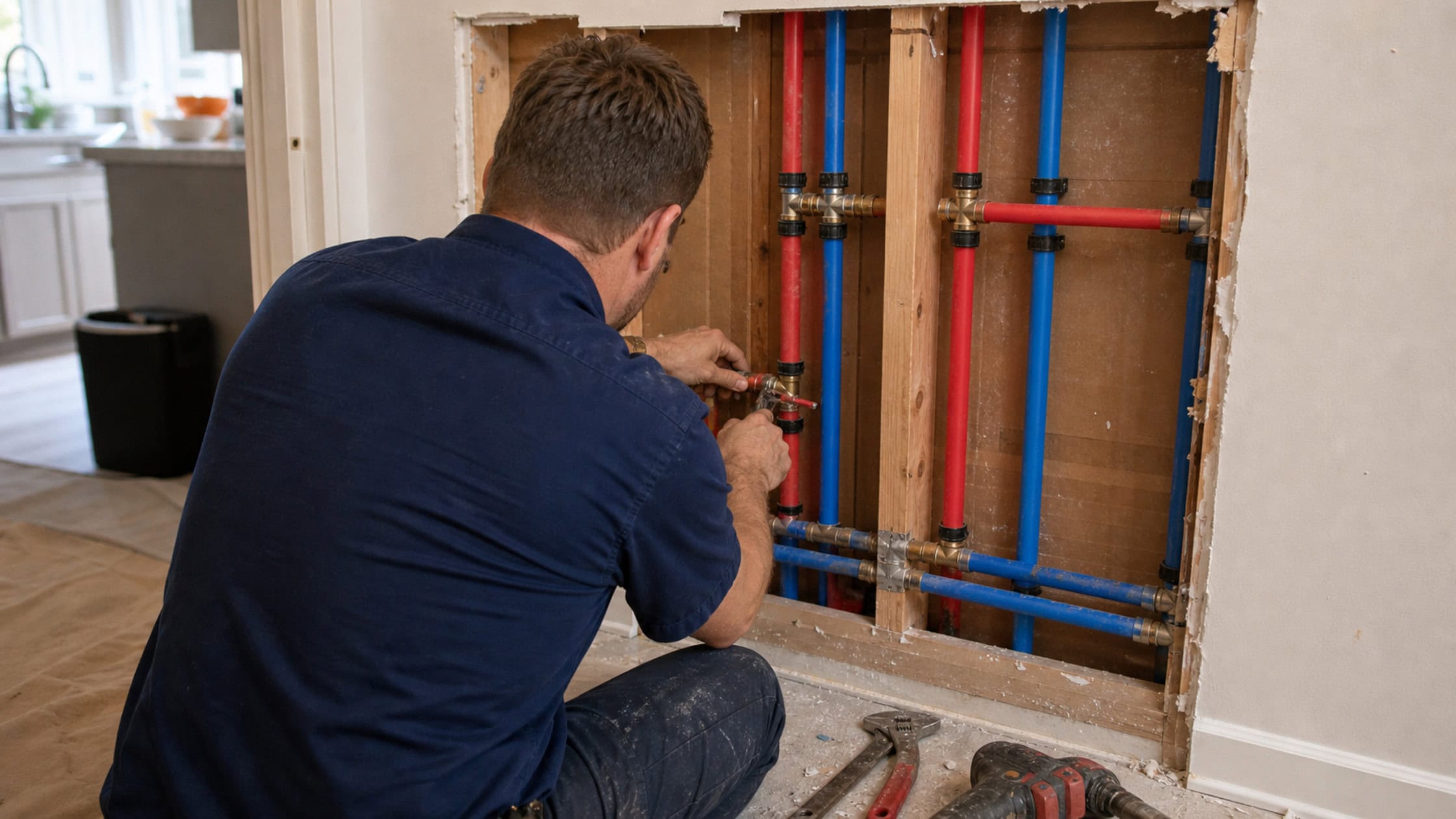
A whole home repipe involves replacing the home’s existing water-supply piping with new plumbing materials such as PEX or CPVC.
Older homes may have aging galvanized steel, copper, Poly-B, or other supply piping that has deteriorated or become increasingly prone to leaks.
Instead of repeatedly repairing individual leaks, repiping addresses the larger problem by replacing the aging water-supply system with new piping designed to provide dependable service for years to come.
What Is a Re-Drain?
A re-drain involves replacing the piping responsible for carrying wastewater out of the home.
This is a separate plumbing project from a repipe.
Older Jacksonville homes may have cast iron drain pipes that deteriorate over time. As cast iron ages, homeowners may begin experiencing issues such as:
- Recurring drain stoppages
- Multiple slow drains
- Frequent sewer backups
- Drain odors
- Leaking or deteriorated drain lines
- Repeated drain repairs
If these problems continue to occur, replacing sections—or potentially all—of the aging drain system may provide a more permanent solution than repeatedly clearing or repairing individual problem areas.
Signs Your Home May Need Repiping
Many homeowners wait until a major leak occurs before considering a whole home repipe. Being proactive can help reduce the risk of water damage and repeated plumbing repairs.
Your home’s water-supply system may need repiping if you experience:
- Frequent plumbing leaks
- Low or inconsistent water pressure
- Rust-colored or discolored water
- Visible corrosion on supply piping
- Aging galvanized, Poly-B, copper, or other deteriorating supply lines
- Multiple supply-line repairs within a relatively short period
If you’re already planning a plumbing remodel or home renovation, it can also be an ideal time to evaluate aging supply lines while areas of the home may already be accessible.
Related: Selling Your Home? Fix These Plumbing Issues First
Repipe vs. Re-Drain: Know the Warning Signs
A simple way to remember the difference is to think about which direction the water is moving.
Repiping addresses water coming into and throughout your home. Signs may include leaks, poor water pressure, corrosion, or discolored water.
Re-draining addresses wastewater leaving your home. Signs may include recurring drain clogs, backups, slow drains, or problems with aging cast iron drain lines.
Because the two systems serve very different purposes, Hall & Sons Plumbing can evaluate the symptoms you’re experiencing and recommend the appropriate solution.
Why Older Jacksonville Homes May Need Plumbing Replacement
Jacksonville has many established neighborhoods with homes that have been standing for decades. Depending on the age of the property, its plumbing may include materials that are now approaching or exceeding their expected useful life.
Over time, aging supply lines can develop corrosion, pinhole leaks, declining water pressure, or repeated failures.
Similarly, older cast iron drain systems can deteriorate and contribute to recurring drainage problems.
Addressing an aging plumbing system proactively can help homeowners avoid the cycle of repeatedly repairing individual problems as they occur.
PEX vs. CPVC for a Whole Home Repipe
Modern whole home repipe projects commonly use materials such as PEX or CPVC. The appropriate option depends on the home’s layout, existing plumbing, local requirements, and project specifications.
PEX Plumbing
PEX, or cross-linked polyethylene, is commonly used for residential repiping because it is flexible, durable, and corrosion resistant.
Benefits can include:
- Flexible installation requiring fewer fittings
- Corrosion resistance
- Quiet water flow
- Fewer connection points in certain installations
- Long service life
CPVC Plumbing
CPVC is another piping material used for residential water-supply systems.
Benefits can include:
- Durability
- Corrosion resistance
- Proven residential applications
- Resistance to elevated water temperatures
Hall & Sons Plumbing can evaluate your existing system and recommend the appropriate piping material for your home and project.
What Happens During a Whole Home Repipe?
Knowing what to expect can make the thought of repiping your home much less intimidating.
Step 1: Evaluate the Existing Plumbing
The process begins by evaluating your home’s existing water-supply system, identifying problem areas, and determining the scope of replacement needed.
Step 2: Plan the Project
Before work begins, the Hall & Sons Plumbing team can review the project timeline, planned access points, areas of the home that may be affected, and what homeowners should expect during installation.
The goal is to complete the work efficiently while minimizing disruption to the household.
Step 3: Install the New Water-Supply Lines
Licensed plumbers install the new supply piping while taking care to protect flooring, furniture, and other areas of the home.
Depending on the layout, small openings may need to be made in drywall or other areas to reach existing plumbing.
Step 4: Test the New Plumbing System
Once installation is complete, the new water-supply system is tested to confirm proper operation and identify any potential leaks before the project is completed.
Step 5: Cleanup
Professional repiping should include attention to the home after the plumbing work is finished.
The work areas are cleaned and installation debris is removed so homeowners can begin enjoying the benefits of their updated plumbing system.
How Long Does a Whole Home Repipe Take?
Every property is different, but many residential repiping projects can be completed within approximately two to five days.
The exact timeline depends on factors including:
- Size of the home
- Number of bathrooms and fixtures
- Plumbing accessibility
- Existing supply-pipe material
- Complexity of the plumbing layout
Remember, a re-drain is a separate project. If the home’s drain system also requires replacement, Hall & Sons Plumbing can evaluate that work independently and provide an appropriate project scope and timeline.
How Much Does a Whole Home Repipe Cost?
There isn’t a one-size-fits-all price for repiping a house.
The cost of a whole home repipe depends on the home’s size, plumbing layout, pipe material, accessibility, number of fixtures, and overall project requirements.
Rather than relying on a broad online estimate that may not reflect your particular property, Hall & Sons Plumbing can evaluate the home’s existing plumbing and provide a detailed estimate based on the actual scope of work.
Although a repipe represents a significant home investment, replacing an aging and failure-prone water-supply system can help reduce repeated repairs, water damage, emergency plumbing calls, and the disruption caused by recurring leaks.
How Repiping Can Reduce Future Plumbing Problems
One of the primary reasons homeowners choose to repipe is to stop repairing the same aging plumbing system one problem at a time.
Replacing deteriorating water-supply lines can help:
- Reduce future supply-line leaks
- Improve water pressure
- Address rust-colored or discolored water caused by deteriorating piping
- Increase plumbing reliability
- Reduce recurring repair expenses
- Provide greater peace of mind
- Support future plumbing and remodeling projects
Being proactive instead of reactive can be particularly valuable when a home’s plumbing has already begun showing repeated signs of failure.
What About Aging Cast Iron Drains?
If your Jacksonville home has cast iron drain pipes, that issue should be evaluated separately from a repipe.
Recurring drain stoppages, sewer backups, slow drainage, or deteriorated cast iron can indicate problems within the drain system. Depending on its condition, Hall & Sons Plumbing may recommend drain repairs or a re-drain rather than replacing water-supply piping.
If you’re already remodeling and have aging cast iron drains, it can also be a good time to have the drain system evaluated while portions of the home may already be accessible.
Repipe or Re-Drain? Hall & Sons Plumbing Can Help You Determine the Right Solution
Recurring leaks and recurring drain stoppages may both signal aging plumbing—but they don’t necessarily require the same repair.
If you’re experiencing water-supply problems, repeated drainage issues, or simply want to be proactive about older plumbing in your Jacksonville home, Hall & Sons Plumbing can evaluate the system and explain your options.
Contact Hall & Sons Plumbing today to request an estimate for a whole home repipe, re-drain, or other plumbing replacement project and determine the right long-term solution for your home.
Frequently Asked Questions
What is the difference between a repipe and a re-drain?
A repipe replaces the water-supply piping that delivers hot and cold water throughout your home. A re-drain replaces drain and waste piping that carries wastewater away. Problems such as recurring supply-line leaks and poor water pressure may point toward repiping, while repeated drain stoppages, backups, or deteriorating cast iron drains may indicate a re-drain issue.
How do I know if my home needs a whole home repipe?
A whole home repipe may be worth considering if your home has recurring water-supply leaks, low water pressure, discolored water, visible pipe corrosion, or aging supply piping that requires frequent repairs. Hall & Sons Plumbing can evaluate the condition of the system and determine whether individual repairs or a full repipe makes more sense.
How long does a whole home repipe take?
Many residential whole home repipes can be completed in approximately two to five days, although the actual timeline depends on the home’s size, number of fixtures, accessibility, existing piping, and plumbing layout. Re-drain work is a separate project with its own scope and timeline.
Is PEX better than CPVC for a repipe?
Both PEX and CPVC can be used for residential water-supply piping. PEX offers flexibility, corrosion resistance, and the potential for fewer fittings in certain applications, while CPVC is also durable and corrosion resistant. The best choice depends on the home’s plumbing system, project requirements, and professional recommendation.
How much does a whole home repipe cost?
Whole home repipe costs vary considerably based on the property’s size, number of fixtures, accessibility, plumbing layout, and material selected. Because every home is different, an on-site evaluation is the best way to establish an accurate project cost. Hall & Sons Plumbing can evaluate the existing system and provide a project-specific estimate.
When should cast iron drains be replaced?
Aging cast iron drain lines may need repair or replacement when homeowners experience recurring drain stoppages, frequent backups, leaks, deterioration, or repeated drain problems. This type of work is considered a re-drain, not a whole home repipe. A plumbing evaluation can determine the condition of the drain system and whether repair or replacement is appropriate.
Should I consider re-draining during a remodel?
If your home has aging or deteriorating cast iron drains and you’re already completing a major renovation or plumbing remodel, it can be a good opportunity to have the drain system evaluated. Addressing deteriorated drain piping while areas are already accessible may help avoid having to reopen finished areas for future repairs.